
 Is Zimbabwe a future energy exporter?With this ambitious roadmap, ZESA is positioning Zimbabwe as a future energy exporter while addressing domestic power needs. However, the success of these plans hinges on navigating complex financial and logistical challenges. ZESA has unveiled ambitious plans to end the country’s power shortages and load shedding woes by 2030.
Will Zimbabwe end power shortages and load shedding by 2030?The Zimbabwe Electricity Supply Authority (ZESA) has unveiled ambitious plans to end the country’s power shortages and load shedding by 2030. With projects generating 3,000MW currently underway, ZESA says it aims to provide universal access to electricity and eliminate load shedding altogether.
How much power does ZESA have awaiting approval?Dr Gata revealed, “We have 1,020MW of projects awaiting ground-breaking and 450MW pending approval.” ZESA’s broader strategy includes ending power imports by 2026, initiating net exports by 2028, and rolling out a public lighting system by 2029.
How many MW of electricity will be produced in Hwange in 2024?The Zhong Jin Heli project, expected to produce 300MW in Hwange, began in November and will be completed by March next year. The Titan Project, a 720MW coal-fired plant also in Hwange, will deliver power by December next year. A 100MW coalfield project in Beitbridge and the 200MW Jinan solar project in Gweru are set to come online by December 20
Is Zimbabwe a future energy exporter?With this ambitious roadmap, ZESA is positioning Zimbabwe as a future energy exporter while addressing domestic power needs. However, the success of these plans hinges on navigating complex financial and logistical challenges. ZESA has unveiled ambitious plans to end the country’s power shortages and load shedding woes by 2030.
Will Zimbabwe end power shortages and load shedding by 2030?The Zimbabwe Electricity Supply Authority (ZESA) has unveiled ambitious plans to end the country’s power shortages and load shedding by 2030. With projects generating 3,000MW currently underway, ZESA says it aims to provide universal access to electricity and eliminate load shedding altogether.
How much power does ZESA have awaiting approval?Dr Gata revealed, “We have 1,020MW of projects awaiting ground-breaking and 450MW pending approval.” ZESA’s broader strategy includes ending power imports by 2026, initiating net exports by 2028, and rolling out a public lighting system by 2029.
How many MW of electricity will be produced in Hwange in 2024?The Zhong Jin Heli project, expected to produce 300MW in Hwange, began in November and will be completed by March next year. The Titan Project, a 720MW coal-fired plant also in Hwange, will deliver power by December next year. A 100MW coalfield project in Beitbridge and the 200MW Jinan solar project in Gweru are set to come online by December 20
Zimbabwe is simultaneously facing a substantial energy supply crisis and a historical window of opportunities in its lithium mineral resources that are critical to the global green energy transition.
Get Price
The Ministry of Energy and Power Development (MEPD) has overall responsibility over the energy sector in Zimbabwe and is responsible for policy and strategy formulation, sector
Get Price
Background In accordance with the Public Entities and Corporate Governance Act of 2018, ZERA conducted its 2024 Strategic Plan implementation review and the 2025 strategy formulation
Get Price
The Zimbabwe Energy Regulatory Authority''s dedication to environmental protection, market reform, and governance practices within the energy sector, emphasizing regulatory
Get Price
Summary: This article explores Zimbabwe''s evolving energy storage policies, focusing on Harare''s regulatory framework, technical standards, and opportunities for renewable
Get Price
Zimbabwe: Solar powered pumped hydroelectric energy storage 20,000,000. Implementation. 11 Jan 2018. An agreement was recently signed between the Zimbabwe National Water
Get Price
Zimbabwe through the National Water Authority and in conjunction with Ngonyezi Projects, a business development service provider, plans to
Get Price
ZESA''s initiative to install a utility-scale battery energy storage system marks a significant milestone in Zimbabwe''s energy sector. This project not only
Get Price
With this ambitious roadmap, ZESA is positioning Zimbabwe as a future energy exporter while addressing domestic power needs. However, the
Get Price
Over the last five years, how has the energy mix changed, and what have been the key drivers? In 2022, energy supply in Zimbabwe is a mix of hydropower (68.17%) coal and
Get Price
With the global energy storage market hitting $33 billion annually [1], Zimbabwe''s leap into this sector couldn''t be timelier. Let''s unpack what makes this project tick and why it''s got energy
Get Price
Regional Operations Manager at Zimbabwe Energy Regulatory Authority · Eng.Tinomudaishe Hove is currently a Regional Operations Manager at the
Get Price
About IRENA The International Renewable Energy Agency (IRENA) is an intergovernmental organisation that supports countries in their transition to a sustainable energy future and
Get Price
The sector is primarily controlled by the state-owned company, Zimbabwe Electricity Supply Authority Holdings (ZESA Holdings, ), which, through its subsidiaries
Get Price
ZESA''s initiative to install a utility-scale battery energy storage system marks a significant milestone in Zimbabwe''s energy sector. This project not only addresses the immediate power
Get Price
The Ministry of Energy and Power Development (MEPD) has overall responsibility over the energy sector in Zimbabwe and is responsible for policy and strategy formulation, sector
Get Price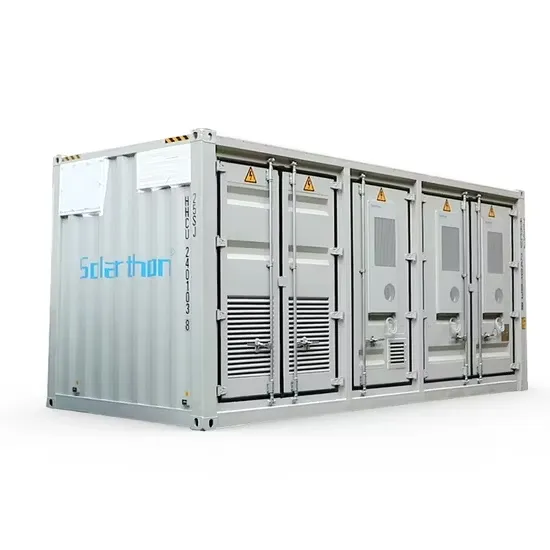
Goal 7 (SDG7) on ensuring access to afordable, reliable, sustainable, and modern energy for all. The Compact demonstrates the Government of Zimbabwe''s commitment to accelerating
Get Price
Sweden-based SENS develops large-scale energy projects combining renewable energy sources with energy storage technologies such as underground pumped hydro storage (UPHS) and/or
Get Price
The Zimbabwe Electricity Regulatory Authority (ZERA) was established by, an Act of Parliament, the Energy Regulatory Act Chapter 13:23 of 2011. Having been established by law, ZERA has
Get Price
With this ambitious roadmap, ZESA is positioning Zimbabwe as a future energy exporter while addressing domestic power needs. However, the success of these plans hinges
Get Price
Developing renewable energy technologies, such as solar, wind, and battery storage, is crucial for addressing energy shortages in the country, reducing greenhouse gas emissions, and
Get Price
The strategy review and formulation process took into account the expectations of the Ministry of Energy and Power Development and ZERA''s Board regarding the Authority''s role in the
Get Price
Several international firms have submitted bids to construct three large-scale power facilities to store electricity generated during periods of low demand and then release it back
Get Price
The Zimbabwe Energy Regulatory Authority (ZERA) is consistent with supporting the decentralisation of cleaner energy and through the Electricity Act granted Nyangani
Get Price
The REF''s mission is to empower rural communities in Zimbabwe through harnessing energy resources to ensure that all the people have access to adequate, reliable, least-cost and
Get Price
Abstract A shift toward a sustainable and decarbonized power grid is one of Zimbabwe''s main goals in the energy sector. This study comprehensively analyzes the
Get Price
With this ambitious roadmap, ZESA is positioning Zimbabwe as a future energy exporter while addressing domestic power needs. However, the success of these plans hinges on navigating complex financial and logistical challenges. ZESA has unveiled ambitious plans to end the country’s power shortages and load shedding woes by 2030.
The Zimbabwe Electricity Supply Authority (ZESA) has unveiled ambitious plans to end the country’s power shortages and load shedding by 2030. With projects generating 3,000MW currently underway, ZESA says it aims to provide universal access to electricity and eliminate load shedding altogether.
Dr Gata revealed, “We have 1,020MW of projects awaiting ground-breaking and 450MW pending approval.” ZESA’s broader strategy includes ending power imports by 2026, initiating net exports by 2028, and rolling out a public lighting system by 2029.
The Zhong Jin Heli project, expected to produce 300MW in Hwange, began in November and will be completed by March next year. The Titan Project, a 720MW coal-fired plant also in Hwange, will deliver power by December next year. A 100MW coalfield project in Beitbridge and the 200MW Jinan solar project in Gweru are set to come online by December 2024.
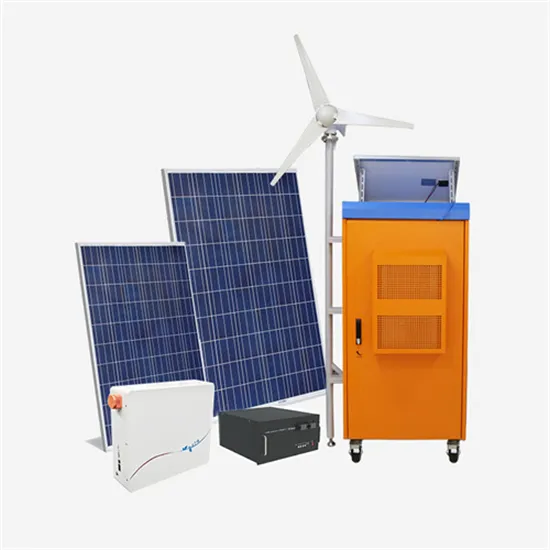 Outdoor Energy Storage Brand Planning Scheme
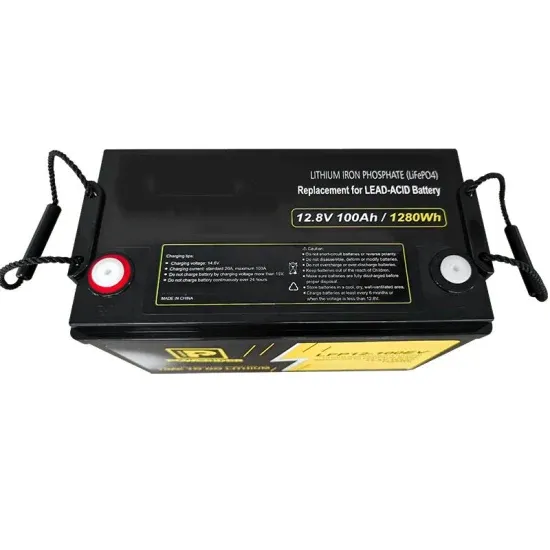 Senegal Energy Storage Power Station Planning Scheme
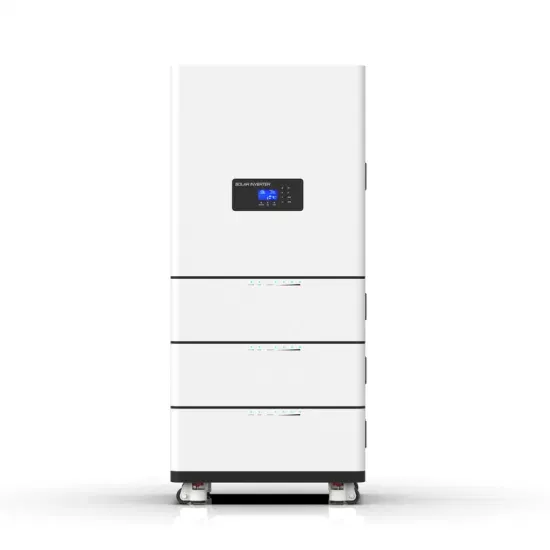 Energy storage planning for the large-scale wind power market
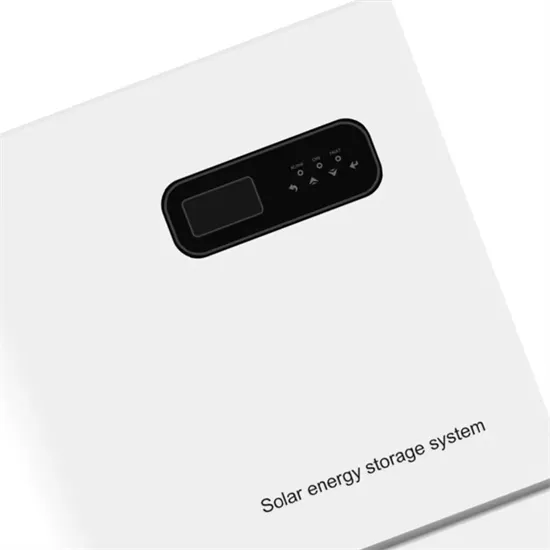 Bhutan Energy Storage Industry Planning Project
 Design of communication power supply scheme for energy storage cabinet installation
 Benin Energy Storage Project Planning and Design
 Medium- and long-term planning for the energy storage industry
 Communication base station energy storage system planning
The global commercial and industrial solar energy storage battery market is experiencing unprecedented growth, with demand increasing by over 400% in the past three years. Large-scale battery storage solutions now account for approximately 45% of all new commercial solar installations worldwide. North America leads with a 42% market share, driven by corporate sustainability goals and federal investment tax credits that reduce total system costs by 30-35%. Europe follows with a 35% market share, where standardized industrial storage designs have cut installation timelines by 60% compared to custom solutions. Asia-Pacific represents the fastest-growing region at a 50% CAGR, with manufacturing innovations reducing system prices by 20% annually. Emerging markets are adopting commercial storage for peak shaving and energy cost reduction, with typical payback periods of 3-6 years. Modern industrial installations now feature integrated systems with 50kWh to multi-megawatt capacity at costs below $500/kWh for complete energy solutions.
Technological advancements are dramatically improving solar energy storage battery performance while reducing costs for commercial applications. Next-generation battery management systems maintain optimal performance with 50% less energy loss, extending battery lifespan to 20+ years. Standardized plug-and-play designs have reduced installation costs from $1,000/kW to $550/kW since 2022. Smart integration features now allow industrial systems to operate as virtual power plants, increasing business savings by 40% through time-of-use optimization and grid services. Safety innovations including multi-stage protection and thermal management systems have reduced insurance premiums by 30% for commercial storage installations. New modular designs enable capacity expansion through simple battery additions at just $450/kWh for incremental storage. These innovations have significantly improved ROI, with commercial projects typically achieving payback in 4-7 years depending on local electricity rates and incentive programs. Recent pricing trends show standard industrial systems (50-100kWh) starting at $25,000 and premium systems (200-500kWh) from $100,000, with flexible financing options available for businesses.